
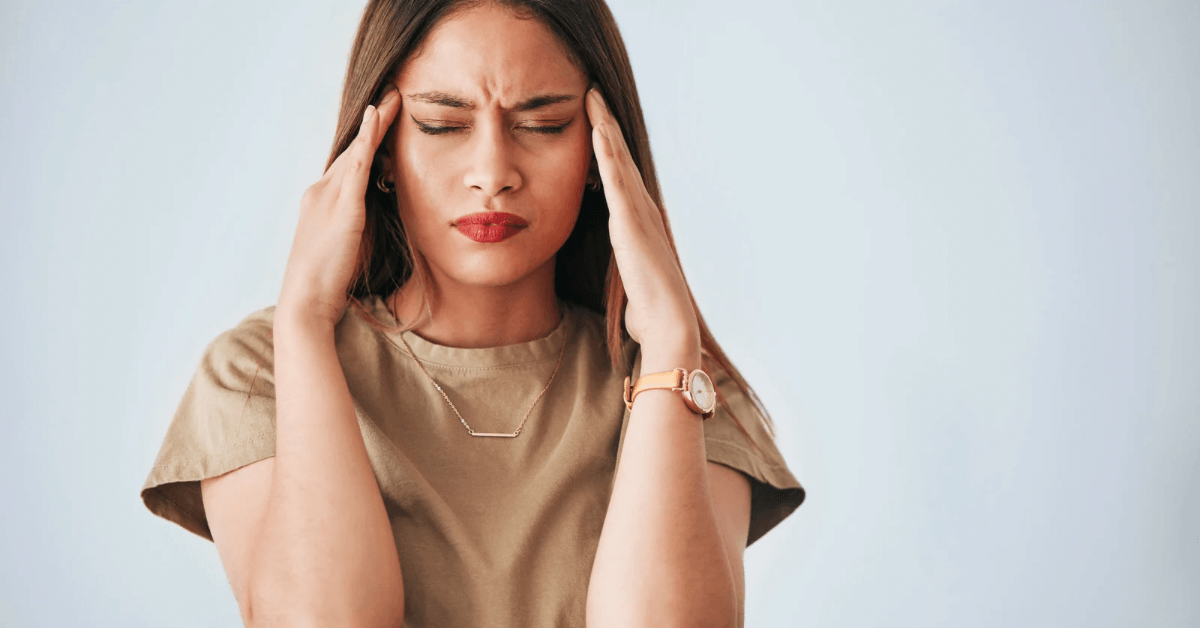
25 Aug Understanding Symptoms of Anxiety and Panic Attacks: Was That An Anxiety Attack?
Why is it important to understand the warning signs of an anxiety attack?
Anxiety attacks can be overwhelming and debilitating, but understanding and managing the symptoms can help empower you to take control of your mental health. In this, we delve into the nature of anxiety attacks, explore common symptoms, and provide practical strategies to help you cope effectively. Drawing from the expertise of psychologists, we offer insights and techniques to empower you in understanding the warning signs of anxiety attack symptoms, also known as panic attacks.
What is Anxiety?
An anxiety attack, often referred to as a panic disorder treatment, is a sudden and intense surge of fear or discomfort. It typically peaks within minutes and can be accompanied by various physical and emotional symptoms. Unlike general anxiety disorder symptoms, which can be a persistent state of worry, anxiety attacks are acute and episodic, occurring unexpectedly or in response to specific triggers.
Common Symptoms of Anxiety Attacks:
Recognising the symptoms of an anxiety attack is the first step toward managing them. The symptoms can be frightening, but understanding that they are part of an anxiety response can help you navigate through them more effectively. Common symptoms include:
- Rapid heartbeat
- Shortness of breath
- Chest pain or discomfort
- Dizziness or lightheadedness
- Sweating
- Trembling or shaking
- Nausea or abdominal distress
- Chills or hot flashes
- Feelings of unreality or detachment
- Fear of losing control or “going crazy”
- Fear of dying

Psychological Insights into Anxiety Attacks
The Role of the Fight-or-Flight Response:
Anxiety attacks are closely linked to the body’s fight-or-flight response, a survival mechanism that prepares us to respond to threats – and to make it more complicated, often these can be false alarms. During an social anxiety disorder attack, this response is triggered inappropriately, causing a cascade of physiological reactions. Psychologists emphasise that understanding this response can help you reframe your experience and reduce fear.
Cognitive Distortions:
Cognitive distortions are irrational or exaggerated thought patterns that can fuel anxiety. Common distortions include catastrophizing (expecting the worst possible outcome), overgeneralization (viewing a single negative event as a never-ending pattern), and magnification (blowing things out of proportion). By identifying and challenging these distortions, you can gain a more balanced perspective.
The Importance of Self-Awareness:
Self-awareness is key to managing anxiety attacks. This involves recognising early warning signs, understanding your triggers, and being attuned to your body’s signals. Psychologists often recommend keeping a journal to track your experiences and identify patterns that can inform your coping strategies.
Practical Strategies for Managing Anxiety Attack Symptoms:
Breathing Techniques:
Breathing exercises are one of the most effective ways to calm the body’s stress response. Techniques such as diaphragmatic breathing, box breathing, and the 4-7-8 method can help regulate your breath, lower your heart rate, and reduce anxiety symptoms.
- Diaphragmatic Breathing: Focus on breathing deeply into your diaphragm rather than shallowly into your chest. Place one hand on your stomach and the other on your chest. Inhale slowly through your nose, allowing your stomach to rise, and exhale slowly through your mouth.
- Box Breathing: Inhale for a count of four, hold the breath for four counts, exhale for four counts, and hold the breath for another four counts. Repeat this cycle to create a sense of calm.
- 4-7-8 Method: Inhale quietly through your nose for a count of four, hold your breath for seven, and exhale completely through your mouth for a count of eight. This technique can help ease anxiety and promote relaxation.
Mindfulness and Grounding Techniques:
Mindfulness involves staying present and fully engaging with the current moment. Grounding techniques are practical tools that can help you stay connected to the present and reduce the intensity of anxiety symptoms. Below we provide three types of relaxation strategies that are commonly used to signal to the body that you’re safe and trigger the rest and digest response in the body, this helps to calm the body and mind physiologically. You may like to explore some audio-recorded relaxation activities using a free app called Insight Timer.
- Grounding Technique: Identify five things you can see, four things you can touch, three things you can hear, two things you can smell, and one thing you can taste. This exercise can help anchor you in the present moment.
- Body Scan: Slowly bring your attention to different parts of your body, starting from your toes and moving up to your head. Notice any sensations, tension, or discomfort without judgment. This practice can increase body awareness and reduce anxiety.
- Mindful Breathing: Focus your attention on your breath, noticing the sensation of the air entering and leaving your nostrils or the rise and fall of your chest. When your mind wanders, gently bring your focus back to your breath.
Cognitive Behavioural Techniques:
Cognitive Behavioural Therapy, also known as CBT, is a widely used approach for managing anxiety. CBT techniques involve identifying and challenging negative thought patterns and replacing them with more balanced and realistic thoughts.
- Cognitive Restructuring: Identify automatic negative thoughts and evaluate their validity. Ask yourself questions such as, “What evidence supports this thought?” and “Is there another way to look at this situation?” Replace negative thoughts with more positive and constructive ones.
- Behavioural Activation: Engage in activities that bring joy or a sense of accomplishment. This can help counteract the tendency to withdraw or avoid situations due to anxiety.
- Exposure Therapy: Gradually expose yourself to feared situations or stimuli in a controlled and systematic way. This can help reduce avoidance behaviours and build confidence in managing anxiety.
Lifestyle Changes:
Adopting a healthy lifestyle can have a significant impact on your ability to manage anxiety. Below, we go through a few of these lifestyle changes that may assist, but these will not replace speaking to a professional who can assist with anxiety treatment in Melbourne.
- Regular Exercise: Physical activity can reduce anxiety by releasing endorphins, improving mood, and promoting relaxation. Aim for at least 30 minutes of moderate exercise most days of the week.
- Balanced Diet: Eating a balanced diet rich in whole foods, such as fruits, vegetables, lean proteins, and whole grains, can support overall mental health. Avoid excessive caffeine and sugar, which can exacerbate anxiety symptoms. It is also important to maintain regular and adequate eating patterns, as anxiety may suppress your appetite.
- Adequate Sleep: Prioritise good sleep hygiene by maintaining a consistent sleep schedule, creating a relaxing bedtime routine, and avoiding screens before bed. Aim for 7-9 hours of quality sleep per night. Should you be struggling with insomnia or other sleep disturbances, this can impact daily function, therefore we’d recommend speaking with a sleep psychologist in Melbourne.
- Stress Management: Incorporate stress-reducing activities into your daily routine, such as yoga, meditation, or hobbies you enjoy. Practising self-care can enhance your resilience against anxiety.
How to know when to seek professional help?
While self-help strategies can be effective, it’s important to seek professional help if your anxiety attacks are frequent, severe, or interfere with your daily life. A mental health professional can provide a thorough assessment, diagnosis, and personalised treatment plan. There are various types of professional help available for managing anxiety. Our psychologists assist by utilising evidence-based therapies such as CBT, Acceptance and Commitment Therapy (ACT), and Dialectical Behaviour Therapy (DBT), schema therapy, all of which have been shown to help you develop coping skills and address underlying issues. It is important to find the best psychologist in Melbourne for your individual needs and therapy goals.
In some cases, medication may be prescribed by your GP or psychiatrist to help manage anxiety symptoms. This can include antidepressants, benzodiazepines, or beta-blockers. Medication is often used in conjunction with therapy when the anxiety symptoms are severe and causing significant distress and functional impairment day-to-day.. We also recommend finding ways to connect to groups, should it involve joining a support group, or attending a group at your local gym, this can provide a sense of community and shared experience. Should it be a support group, it might allow you to connect with others who understand what you’re going through, which can be incredibly validating and helpful.
How Positive Wellbeing Psychology can help?
At Positive Wellbeing Psychology, our psychologists have a special interest in supporting individuals in managing symptoms of anxiety and panic attack treatment while guiding them towards restoring inner peace. We understand that empowering yourself to manage anxiety begins with understanding the nature of anxiety, recognising its warning signs, and applying practical strategies to manage these symptoms effectively. By embracing a holistic approach—incorporating breathing techniques, mindfulness, cognitive behavioural strategies, lifestyle adjustments, and professional support—you can take control of your mental health and work towards a more fulfilling life. Remember, managing anxiety is a journey, and each step you take brings you closer to a greater sense of calm and resilience.
We understand the distress that anxiety and panic attacks can cause. If you’ve ever wondered, “Was that an anxiety attack?” or felt overwhelmed by the symptoms, our team is here to help. We offer specialised anxiety treatment tailored to your needs, addressing anxiety disorder symptoms, social anxiety disorder, and panic disorder treatment in Melbourne. Our evidence-based approaches ensure that you receive effective panic attack treatment, helping you regain control and manage your symptoms of anxiety.

Author: Emily Burton
Emily is a Melbourne-based psychologist at Positive Wellbeing Psychology. Her clients describe her as warm and genuine, often feeling comfort and trust early in therapy.
Emily is experienced in treating anxiety, depression, low self-worth, stress and burnout, work addiction, loss of direction in life, goal setting, perfectionism, low self-esteem, adjustment to life changes, Adult ADHD, poor body image and binge eating disorder.