

23 Jul Navigating Grief: Unique Challenges for Men
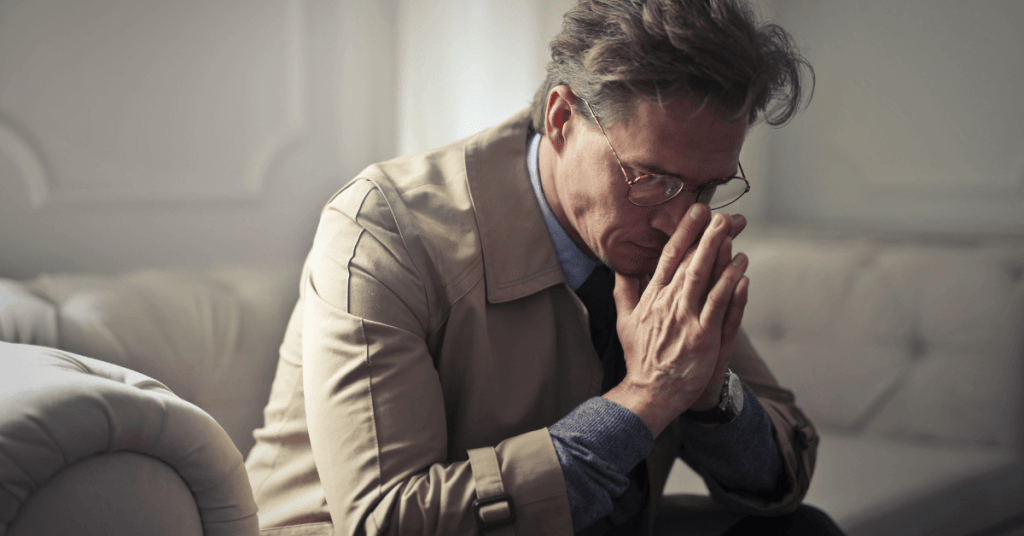
Grief is a deeply personal journey. It affects people in different ways, shaped by their upbringing, culture, relationships, and how they’ve learned to express emotion. For many men, grief is not something openly discussed; it’s felt privately and often managed in silence. In our practice, we see this frequently. Men arrive not necessarily knowing how to name what they’re feeling, only that something doesn’t feel right. They’re often carrying the weight of loss while trying to maintain control or appear strong for others. Over time, this emotional silence can lead to distress, strained relationships, or physical symptoms that make daily life harder to manage.
Men’s counselling provides an opportunity to begin making sense of these feelings. It creates a space to express grief in a way that feels manageable and respectful, while also challenging the idea that strength means staying silent.
What Are The Types of Grief?
- Losing a parent — can stir up old family dynamics or shift a man’s sense of stability and guidance.
- The death of a partner — often leaves men trying to be emotionally strong for others while carrying their own heartbreak.
- Child loss—whether through accident, illness, or miscarriage—is often unspeakably painful. Men may feel helpless, angry, or disconnected from their partner.
- Pregnancy loss — can leave men grieving quietly while support focuses on their partner.
- The death of a sibling or close friend — might be dismissed by others as “less significant,” but it can feel just as destabilising.
- Loss of job or something important or even a disconnect in your relationship —might also stir up a feeling of grief and loss.
Understanding How Men Often Experience Grief
While everyone grieves in their way, social expectations often shape how men deal with loss. Many men are taught from an early age to suppress emotion, to avoid tears, and to “get on with it.” This doesn’t mean they feel less; it just means they may express those feelings differently.
What Are Common Grief Patterns Observed in Men?
- Keeping busy with work, exercise, or routines
- Finding it difficult to talk about their emotions
- Feeling frustrated, irritable, or withdrawn
- Engaging in riskier behaviours or substance use
- Pulling away from people they care about
These responses are understandable. In the short term, they may help maintain a sense of normality. But without acknowledgment, grief can become more complex, affecting both emotional and physical health.
What Are The Different Faces of Loss?
Every loss is different. Grief doesn’t follow a template, and the relationship you had with the person who died, or the circumstances around the loss will shape how it affects you. Counselling recognises the weight of all forms of grief, not just those that are culturally acknowledged or understood.
What Are Some Common Psychological Responses to Grief in Men?
Men often experience grief in ways that may not align with traditional or culturally recognised expressions of loss. While sadness, longing, or emotional pain are common responses across genders, men may also exhibit symptoms such as agitation, somatic complaints (e.g. fatigue, sleep disturbance), or difficulty concentrating. Some men may suppress emotional expression entirely, leading to delayed or unresolved grief, which can manifest as mood regulation difficulties, interpersonal difficulties, or risk-taking behaviours.
How Might Men’s Grief Present Differently from Women’s?
While grief is a universal experience, research and clinical observation suggest that men may express and process grief in ways that differ from women due to a combination of biological, psychological, and sociocultural factors. Men are more likely to engage in instrumental grieving styles—characterised by a focus on action, problem-solving, or distraction—rather than overt emotional expression. This can include increased irritability, withdrawal, overworking, or difficulty articulating internal emotional states.
Due to longstanding cultural expectations around masculinity and emotional stoicism, men may also delay seeking help or minimise their distress. At Positive Wellbeing Psychology, our men’s psychologists offer tailored grief support that acknowledges these dynamics while providing a safe, validating space for men to process complex emotions, adjust to loss, and strengthen emotional resilience.
What Do Men Commonly Experience Through Grief Counselling?
- A greater understanding of their emotions
- Reduced stress, anxiety, or depressive symptoms
- Stronger communication and relationships
- More meaningful day-to-day experiences
- Renewed direction or purpose
- Reduced physical symptoms or impact on sleep and irritability
At Positive Wellbeing Psychology, our men’s counselling services in Melbourne provide space to explore these responses with curiosity and without judgement. A qualified men’s psychologist can support clients to make meaning of their loss, identify unhelpful coping patterns, and work towards adaptive emotional integration over time.

Why More Men in Melbourne Are Seeking Support?
There’s been a shift in recent years. More men are reaching out to psychologists— often because they’re tired of feeling stuck. At Positive Wellbeing Psychology, we see men from all walks of life including young professionals, fathers, retirees, and men from diverse cultural backgrounds. What unites them is a shared desire to understand themselves better and find a way forward after loss. Healing isn’t about forgetting. It’s about remembering in a way that no longer controls you. Therapy is not about “fixing” emotions. It’s about making space for them, learning to live with them, and slowly finding meaning again.
What Happens in Men’s Counselling?
Counselling is not about being “fixed” or having all the answers. It’s about creating space, space to think, feel, and make sense of what’s happened, without judgment. When we support men through grief at Positive Wellbeing Psychology, we take a collaborative and gentle approach. The focus isn’t on forcing emotion but on helping each person feel safe enough to explore what’s really going on beneath the surface. Here’s what this can involve:
1. Normalising Emotional Responses
Grief brings with it a range of thoughts and feelings, some predictable, some not. Many men worry that what they’re feeling isn’t “normal.” In therapy, we take time to validate these emotions and explain how grief works in the body and mind. Knowing that what you’re going through makes sense can ease some of the burden.
2. Permission to Feel Vulnerable
For many men, expressing sadness, fear, or confusion doesn’t come easily. Counselling offers a space where vulnerability is not only accepted but welcomed. Over time, this allows men to feel more comfortable sitting with emotions they may have spent years avoiding.
3. Practical Tools for Coping
We don’t just talk; we also teach. Whether it’s learning to manage anger, recognising emotional triggers, or finding ways to talk to loved ones about grief, our goal is to equip men with strategies they can use beyond the therapy room.
4. Supporting the Physical Aspects of Grief
Grief is not only emotional, it often shows up physically. Men may notice headaches, muscle tension, fatigue, or changes in sleep or appetite. In counselling, we help connect these experiences with emotional stress, allowing for a more integrated and compassionate understanding of what the body is trying to say.
5. Rebuilding After Loss
Grief can change how we see ourselves. It can shake identity, especially after losing a parent, partner, or child. In therapy, we explore what life looks like after loss, helping men redefine their roles, values, and future goals in ways that honour both the past and the present.
What Support Can Our Psychologists Provide?
- Understand the influence of masculinity, culture, and upbringing on emotional expression
- Use evidence-based therapeutic methods tailored to men’s needs
- Offer flexible scheduling to accommodate work and family life
- Prioritise confidentiality, trust, and respect above all
Why Is Early Grief Support Important for Men?
Early psychological support during bereavement can reduce the risk of complicated grief or prolonged emotional suppression, which may otherwise evolve into anxiety, depression, or burnout. For men, accessing grief counselling early can also challenge internalised messages that discourage vulnerability or emotional disclosure. Engaging with a male psychologist near you or one who is experienced in men’s mental health allows for tailored interventions that respect each client’s coping style, emotional readiness, and cultural context.
Support at an early stage may also facilitate better communication with loved ones, reduce isolation, and foster long-term psychological resilience. At Positive Wellbeing Psychology, we offer individualised grief support that helps men reconnect with their emotional experience in ways that are both empowering and clinically effective.
Why Choose Positive Wellbeing Psychology?
If you’re searching for a male psychologist near me in Melbourne who have a special interest in men’s mental health, Positive Wellbeing Psychology is here to support you. We understand that men often experience grief differently, and our men’s counselling services are designed with empathy, respect, and clinical expertise to meet your unique needs. Whether you prefer in-person sessions or online counselling, our experienced psychologists provide a safe and supportive space for you to begin your healing journey.
Grief—whether recent or long-held—doesn’t have to be faced alone or according to a one-size-fits-all approach. At Positive Wellbeing Psychology, we offer personalised men’s psychologist support and men’s counselling tailored to you. You don’t need to have all the words; you just need to take the first step toward healing in a space that honours your experience.
How Can Men Find Support While Grieving?
Men can find support while grieving by seeking spaces where their feelings are understood without judgment or pressure to “move on.” Grief affects everyone differently, and men often face unique challenges expressing their emotions due to social expectations. Professional counselling with a men’s psychologist, such as those at Positive Wellbeing Psychology in Melbourne, provides a safe, empathetic environment to process loss. Support can also come from trusted friends, support groups, or online counselling options. The most important step is to reach out and know that healing is possible with the right guidance and compassion.