


04 May 7 Simple Daily Habits to Reduce Chronic Stress: Evidence-Based Strategies to Restore Mental Wellbeing
Chronic stress affects millions of people, despite appearing successful or stable externally. Unlike acute stress—which emerges in response to specific threats and resolves once the threat passes—chronic stress persists insidiously. It develops gradually through months or years of ongoing pressure from work demands, relationship difficulties, financial strain, or unresolved emotional tension. Many people adapt to chronic stress so thoroughly that they don’t recognise it as abnormal until its effects manifest as sleep problems, emotional dysregulation, or physical health decline.
The neurobiology is clear: sustained activation of your stress response system (the hypothalamic-pituitary-adrenal axis) depletes crucial neurotransmitters, impairs immune function, and literally reshapes brain architecture, particularly in regions responsible for emotional regulation and rational decision-making. The good news is scientifically documented: consistent, evidence-based daily habits to reduce stress can reverse this pattern, gradually recalibrating your nervous system toward greater resilience and calm.
This comprehensive guide explores seven evidence-backed daily habits proven to reduce chronic stress, supported by neuroscience research and psychological principles. Whether you’re experiencing workplace burnout, relationship strain, anxiety symptoms, or sleep problems related to ongoing stress, these practical strategies provide the foundation for genuine, sustainable recovery. For more complex presentations, professional support from a psychologist for anxiety or therapists near me can provide personalized assessment and treatment.
Understanding Chronic Stress: The Neuroscience and Impact
Chronic stress differs fundamentally from situational stress. While acute stress activates your sympathetic nervous system (fight-or-flight response) for discrete periods, chronic stress maintains continuous low-level activation. This relentless state depletes your physiological resources, creating cumulative damage across multiple body systems and psychological functions.
Research demonstrates that untreated chronic stress contributes to elevated cortisol and adrenaline levels, impaired cognitive function, weakened immune response, cardiovascular complications, and mental health conditions including anxiety treatment-eligible presentations. Sleep problems emerge as both a consequence and amplifier of chronic stress—poor sleep intensifies stress responses, creating a vicious cycle requiring intentional intervention.
The encouraging finding from contemporary neuroscience is that your brain retains neuroplasticity—the capacity to rewire itself through consistent practice. Daily habits to reduce stress that engage your parasympathetic nervous system (‘rest-and-digest’ response) gradually restore balance. With sustained practice, these habits literally rebuild neural pathways associated with calm, resilience, and emotional stability.
Root Causes and Identifying Your Stress Triggers
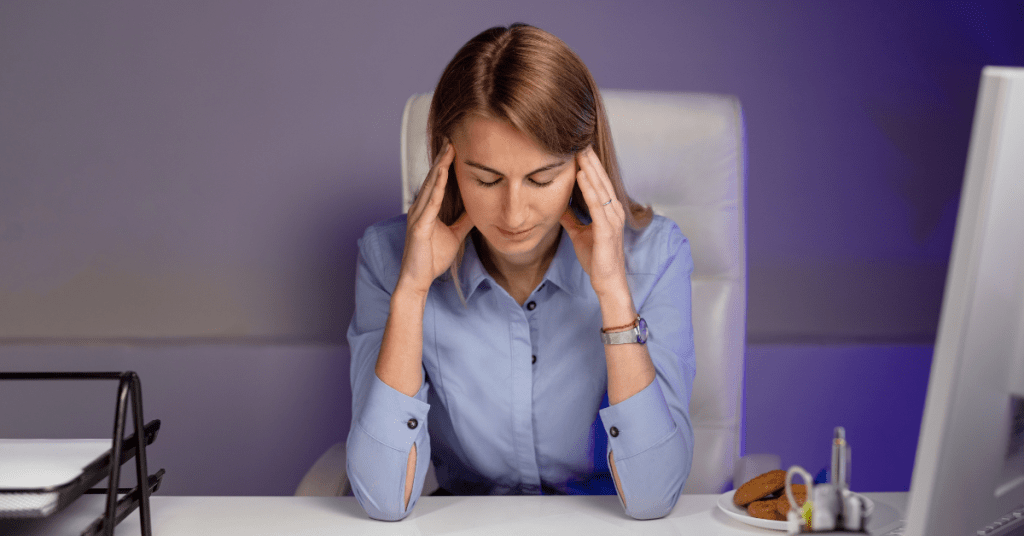
How to reduce chronic stress effectively begins with honest assessment of what generates it. Common sources include ongoing workplace pressure, relationship conflict, financial insecurity, grief from significant life changes, perfectionism, and unresolved trauma. Identifying your specific triggers—the situations, interactions, or internal patterns that intensify your stress response—is foundational for implementing targeted daily habits to reduce stress.
Significant life changes—whether job transitions, relocations, health challenges, or relationship shifts—represent particularly powerful stress generators because they disrupt established routines and identity. Even positive changes (promotions, moving to desired locations, relationship commitments) can trigger stress because they require psychological adaptation. Recognizing whether your chronic stress stems from external circumstances versus internal patterns (catastrophic thinking, perfectionism, boundary difficulties) determines which daily habits to reduce stress will prove most impactful.
The Seven Daily Habits to Reduce Chronic Stress
Habit 1: Begin Your Day with Mindful Breathing (5-10 minutes)
Establishing a morning mindfulness practice is among the most evidence-supported daily habits to reduce stress. Even five minutes of conscious breathing—focusing on slow, deep inhalations and exhalations—activates your parasympathetic nervous system, immediately shifting your physiology from stress-mode to recovery-mode.
The mechanism is direct: controlled breathing increases vagal tone (the activation of your vagus nerve, which regulates heart rate and stress responses), reducing cortisol production and increasing heart rate variability—a marker of nervous system flexibility and resilience. Beginning your day with this practice sets a neurobiological foundation of calm, helping you face daily challenges from a regulated rather than reactive state. Even brief practice demonstrates measurable effects on stress hormones within weeks.
Habit 2: Prioritise Physical Movement (30 minutes daily)
Regular physical activity stands as one of the most powerful evidence-based daily habits to reduce stress and manage anxiety treatment-eligible symptoms. Exercise directly counteracts the physiological effects of chronic stress by metabolizing stress hormones (cortisol, adrenaline), increasing endorphin production, improving sleep quality, and enhancing emotional regulation.
The type of movement matters less than consistency. Walking, yoga, swimming, dancing, or structured exercise all produce stress-reducing effects. Research demonstrates that 30 minutes of moderate physical activity most days of the week produces measurable reductions in anxiety, depression, and perceived stress within 4-6 weeks. Physical movement also provides crucial cognitive benefits: it improves focus, enhances memory function, and supports the neurogenesis (creation of new brain cells) essential for mental health.
Habit 3: Structure Your Day with Clear Priorities
Cognitive overload amplifies chronic stress. When your mind must continuously track everything without organization, significant cognitive resources deplete. Among the most effective daily habits to reduce stress is creating intentional structure: identifying your 3 most important tasks each day and sequencing them strategically.
This practice leverages psychological principles of focus and accomplishment. Completing identified priorities creates measurable progress and genuine accomplishment, boosting confidence and reducing the background anxiety of feeling perpetually behind. Breaking larger projects into discrete steps provides clear milestones, maintaining dopamine (motivation and reward) systems and preventing the overwhelm that fuels chronic stress. Time-blocking—allocating specific periods for focused work—dramatically reduces the mental load of constant task-switching.

Habit 4: Establish Digital Boundaries and Screen-Free Periods
Constant digital connectivity creates unrelenting cognitive and emotional stimulation. Notifications, social comparison, information overload, and the addictive design of platforms keep your nervous system in perpetual activation. Establishing daily habits to reduce stress requires deliberate digital boundaries.
Evidence supports designating screen-free periods—ideally one hour before bedtime and the first hour after waking—as essential daily habits to reduce stress. This protects your sleep and allows your brain genuine recovery periods. Additionally, turning off non-essential notifications, limiting social media to designated times, and creating technology-free zones (like bedrooms) provides measurable stress reduction. Studies demonstrate that screen time reduction improves sleep quality, cognitive focus, and emotional regulation—all crucial for managing chronic stress effectively.
Habit 5: Practice Healthy Emotional Expression
Emotional suppression—the habitual avoidance of feeling or expressing emotions—intensifies chronic stress by creating internal pressure and preventing natural emotional processing. Among the most underutilized daily habits to reduce stress is deliberate emotional expression through journaling, conversation, creative expression, or somatic practices.
Research on expressive writing demonstrates that 15-20 minutes of reflective writing about emotional experiences produces measurable reductions in stress hormones, improved immune function, and better emotional regulation. The mechanism involves externalizing internal experience—literally moving emotions from internal rumination to external expression—which reduces their psychological weight and allows for perspective-taking. Talking with trusted individuals, artistic expression, movement, or structured therapeutic processing all provide similar benefits. For those struggling significantly with emotional regulation or anxiety symptoms, a psychologist for anxiety can provide specialized guidance in emotional processing.
Habit 6: Prioritise Sleep Hygiene and Address Sleep Problems
Sleep problems represent both a consequence and amplifier of chronic stress. Poor sleep impairs emotional regulation, cognitive function, and stress resilience—creating a vicious cycle where sleep deprivation intensifies stress response. Conversely, improving sleep is among the most impactful daily habits to reduce stress.
Evidence-based sleep hygiene practices include maintaining consistent sleep and wake times (even weekends), creating a dark, cool sleeping environment, avoiding screens one hour before bed, limiting caffeine after 2 PM, and practicing relaxation techniques before sleep. Sleep problems often warrant professional assessment because they may indicate anxiety treatment needs, other sleep disorders, or conditions requiring specialized care. Quality sleep directly improves your capacity to manage stress, regulate emotions, and maintain cognitive clarity—making it foundational to all other stress-reduction strategies.

Habit 7: Build a Consistent Evening Wind-Down Ritual
The transition from active day to restful night requires intentional ritual. Creating consistent evening practices signals your body that recovery time is approaching, allowing gradual nervous system downregulation. This habit bridges the day’s activities and sleep preparation.
Evidence-supported wind-down activities include gentle stretching or restorative yoga, reading, warm baths, progressive muscle relaxation, or guided meditation. The key is consistency—practicing the same ritual nightly helps your body anticipate and prepare for sleep. This predictability reduces the cognitive and physiological hyperarousal that often prevents sleep despite exhaustion. For individuals experiencing significant sleep problems or chronic anxiety, professional support from a psychologist for anxiety provides specialized assessment and treatment planning.
The Mind-Body Connection: How Stress Manifests Physically
Chronic stress doesn’t only affect mood—it produces profound physical effects. Sleep problems, muscle tension, headaches, digestive difficulties, immune suppression, and cardiovascular strain all represent common physical manifestations. Understanding these connections helps you recognise stress’s impact and implement targeted daily habits to reduce stress.
The relationship flows bidirectionally: stress creates physical symptoms, and physical sensations intensify stress perception. This explains why movement, sleep, and breathing practices prove so effective—they interrupt the stress-physical symptom cycle at the physiological level. Each daily habit to reduce stress addresses this mind-body connection, gradually restoring the integrated functioning where physical and emotional wellbeing support each other rather than amplifying distress.
Managing Stress During Significant Life Changes
Significant life changes—job transitions, relocations, relationship shifts, health challenges, loss—represent powerful stress generators because they disrupt established patterns and identity. During these periods, consistent daily habits to reduce stress become even more crucial for maintaining emotional equilibrium.
Research on stress during transitions shows that maintaining stable daily habits—particularly sleep, movement, and social connection—buffers against overwhelm. During significant life changes, anxiety treatment or professional support from a psychologist for anxiety becomes particularly valuable, as transitions often surface unresolved emotional issues and require additional coping capacity. The combination of consistent personal practices with professional support provides optimal support during transformative periods.
When Professional Support Becomes Essential
While these daily habits to reduce stress form a powerful foundation, some presentations require professional intervention. If despite consistent practice of these habits you experience persistent anxiety, sleep problems, depression, or functional impairment, professional assessment becomes important.
A psychologist for anxiety can provide comprehensive assessment, evidence-based anxiety treatment (cognitive behavioural therapy, exposure therapy, acceptance and commitment therapy), and personalized strategies addressing your specific stress patterns. Therapists near me can offer accessible, specialized care examining whether your chronic stress reflects situational overwhelm, diagnosable anxiety disorder, trauma responses, or other conditions requiring targeted treatment. Professional support doesn’t replace personal practices—it complements and accelerates their effectiveness.
Building Long-Term Resilience: Consistency and Progress
Managing chronic stress isn’t about eliminating pressure entirely—it’s about developing psychological and physiological capacity to meet life’s demands from a grounded, resilient place. The daily habits to reduce stress outlined here don’t produce instant results. Instead, they create cumulative changes in your nervous system, emotional patterns, and stress perception.
Research demonstrates that consistent practice produces measurable improvements within 4-6 weeks, with increasingly significant benefits continuing over months and years. The goal is progress, not perfection. Missing a day doesn’t erase progress; what matters is returning to these practices consistently. Over time, habits become automatic, requiring less conscious effort while producing increasingly profound effects. This gradual rewiring of your stress response system represents genuine, lasting change—not temporary relief but fundamental transformation of how you experience and manage stress.
Your Path to Reduced Stress and Greater Wellbeing
Chronic stress profoundly impacts quality of life, yet the pathway to recovery is accessible. These seven daily habits to reduce stress—based on neuroscience, psychology, and extensive research—provide evidence-backed strategies you can implement immediately. Each habit engages your innate capacity for resilience and recovery.
The transformation from chronic overwhelm to functional calm isn’t instantaneous, but it is achievable. By consistently practicing these daily habits to reduce stress, you gradually restore balance in your nervous system, reclaim emotional agency, and build the resilience necessary for navigating life’s inevitable challenges. Whether you’re managing workplace stress, sleep problems, anxiety symptoms, or the emotional impact of significant life changes, these practices provide the foundation for genuine wellbeing. For additional support, professional guidance from a psychologist for anxiety or therapists near me can enhance your progress and address complex presentations requiring specialized care.
How Positive Wellbeing Psychology Can Support Trauma Counselling?
At Positive Wellbeing Psychology, trauma counselling Melbourne services are delivered through a structured, trauma informed framework that prioritises emotional safety and individual therapeutic needs. Counselling supports individuals in understanding how trauma may impact emotional wellbeing and everyday functioning. Psychologists undertake comprehensive assessments and provide clear insight into trauma related responses and patterns. Support can include stabilisation techniques, emotional regulation skill development, and gradual therapeutic processing. Sessions are offered both face to face and through online counselling for trauma. Individuals can book an appointment to receive professional guidance on appropriate trauma counselling pathways.
